Mold Detection in Arlington, TX
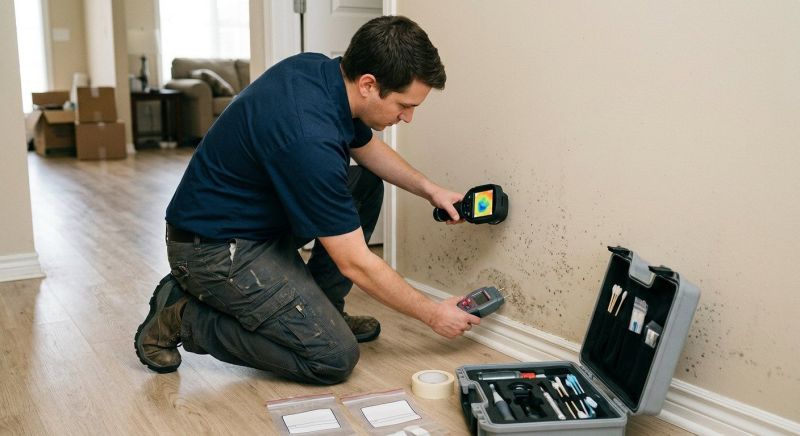
Mold detection services involve inspecting residential properties to identify the presence of mold growth that may not be immediately visible. This service is useful for a variety of projects, including post-water damage assessments, ongoing health concerns, or suspected hidden mold in areas such as basements, attics, or behind walls. Property owners typically want to understand whether mold is present, the extent of any contamination, and if it poses a health risk, especially in environments with moisture issues or prior flooding.
Before requesting mold detection, homeowners often seek clarity on the scope of the inspection process and what areas will be examined. They may also inquire about the types of mold that could be found and how the detection results could impact potential remediation plans. Understanding the inspection procedures and what to expect can help property owners make informed decisions about addressing mold concerns effectively.
Many property owners in Arlington, TX look into Mold Detection for repairs, replacements, upgrades, and appearance-related improvements.
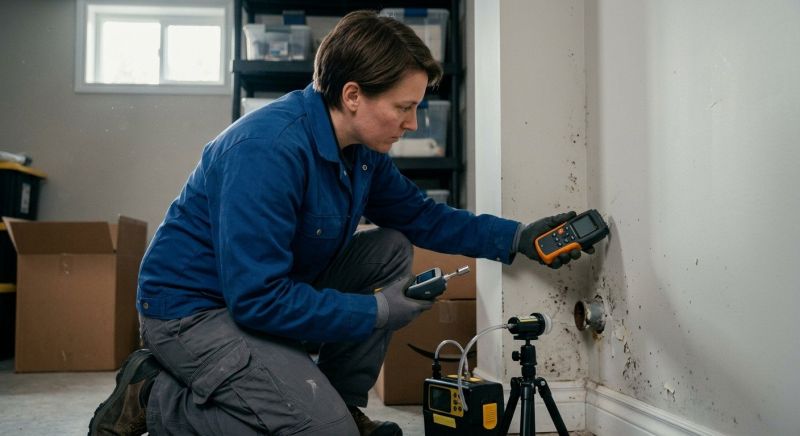
Identifying Hidden Mold
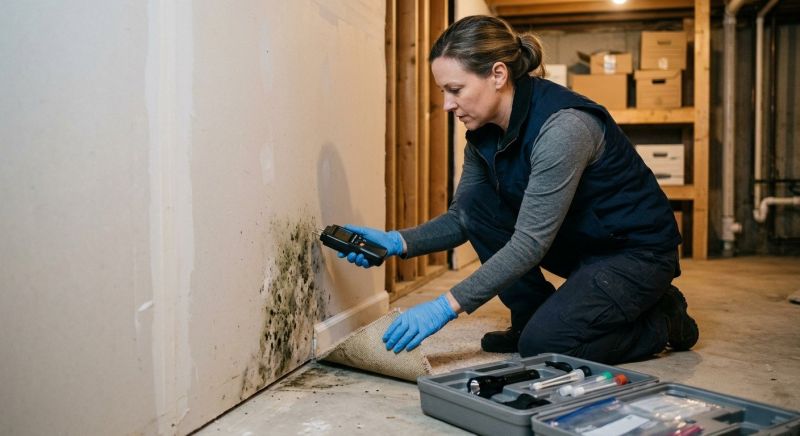
Detecting mold growth that isn't visible to the naked eye in residential and commercial properties.
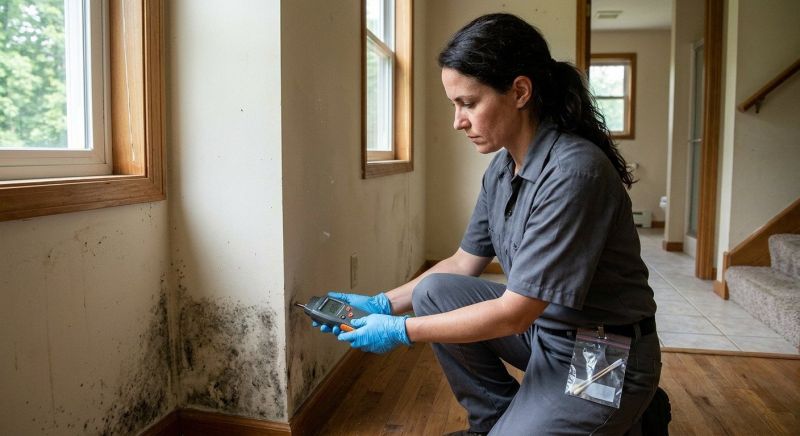
Assessing Indoor Air Quality
Evaluating air samples to determine mold presence and ensure a healthy living environment in arlington homes.
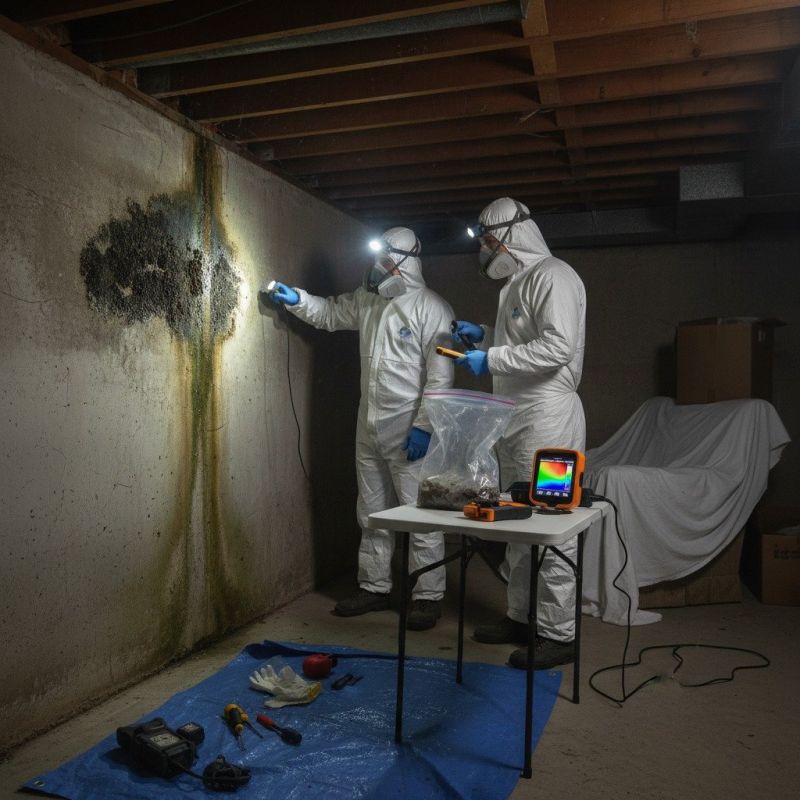
Preventing Mold Damage
Providing early detection services to help property owners address mold issues before they cause structural problems.
Mold Detection in Arlington, TX

Mold detection services involve inspecting residential properties to identify the presence of mold growth that may not be immediately visible. This service is useful for a variety of projects, including post-water damage assessments, ongoing health concerns, or suspected hidden mold in areas such as basements, attics, or behind walls. Property owners typically want to understand whether mold is present, the extent of any contamination, and if it poses a health risk, especially in environments with moisture issues or prior flooding.
Before requesting mold detection, homeowners often seek clarity on the scope of the inspection process and what areas will be examined. They may also inquire about the types of mold that could be found and how the detection results could impact potential remediation plans. Understanding the inspection procedures and what to expect can help property owners make informed decisions about addressing mold concerns effectively.
Many property owners in Arlington, TX look into Mold Detection for repairs, replacements, upgrades, and appearance-related improvements.
Common Mold Detection Jobs
Mold Inspection - identifies areas of mold growth within residential and commercial properties.
Moisture Assessment - detects sources of excess moisture that can lead to mold development.
Indoor Air Quality Testing - measures mold spores and airborne contaminants in indoor environments.
Hidden Mold Detection - locates mold growth behind walls, under floors, and in hard-to-reach areas.
Post-Remediation Testing - verifies that mold has been effectively removed after treatment.
Environmental Sampling - collects samples to determine mold levels and identify specific mold types.
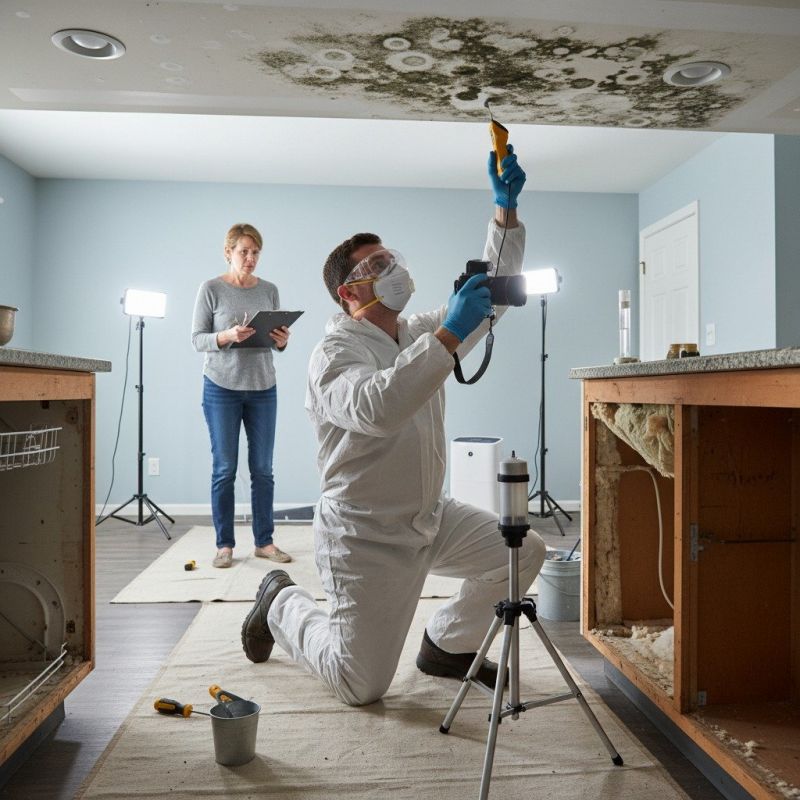
Mold Detection Questions
What is mold detection? Mold detection involves identifying the presence of mold spores in indoor environments to assess potential health and property risks.
When should a mold inspection be considered? An inspection is recommended if there are signs of water damage, visible mold growth, or unexplained musty odors in the property.
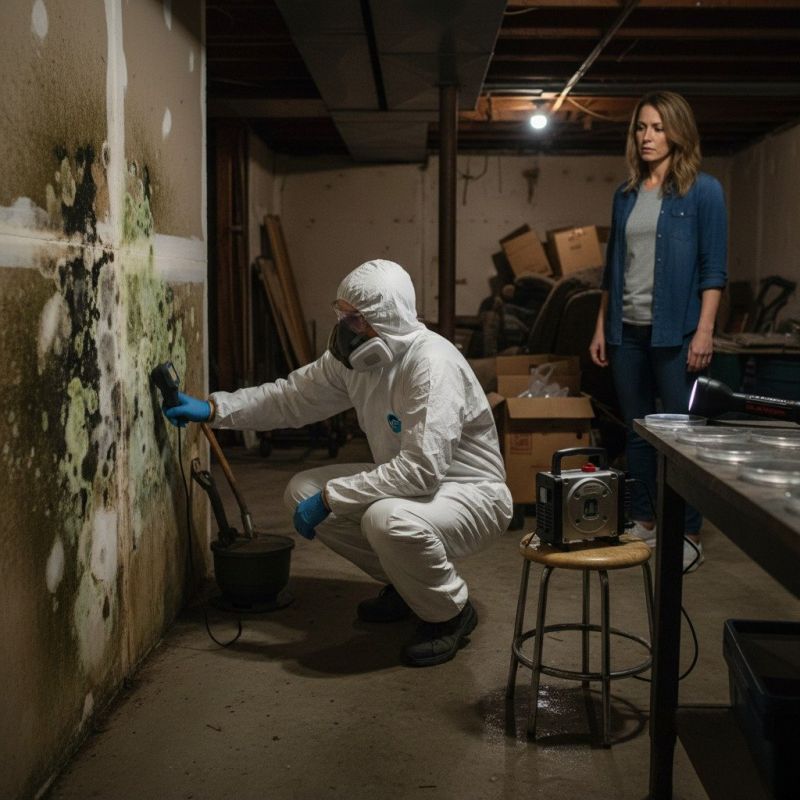
How is mold detected during an inspection? Trained professionals use specialized equipment to sample air and surfaces, helping to locate hidden mold colonies.
What types of properties typically need mold detection services? Mold detection is commonly requested for homes, apartments, and commercial buildings experiencing moisture issues or suspected mold problems.
Request Mold Detection in Arlington, TX
Use the quote form on this page to share the basics of your project and request more information for the type of work you need.