Ceiling Mold Removal in Dallas, TX
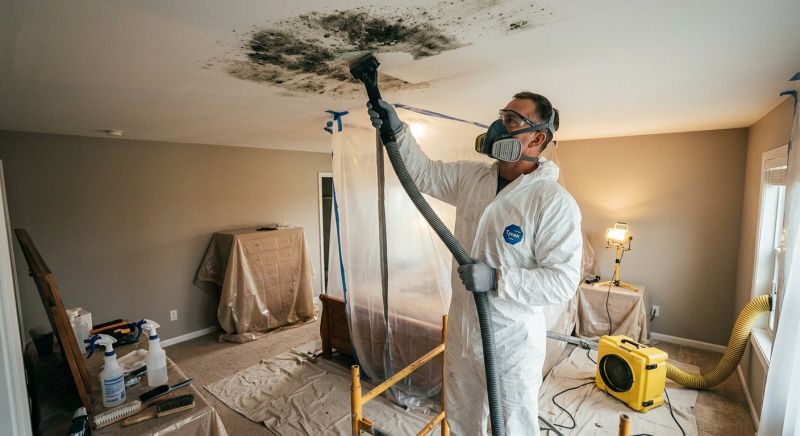
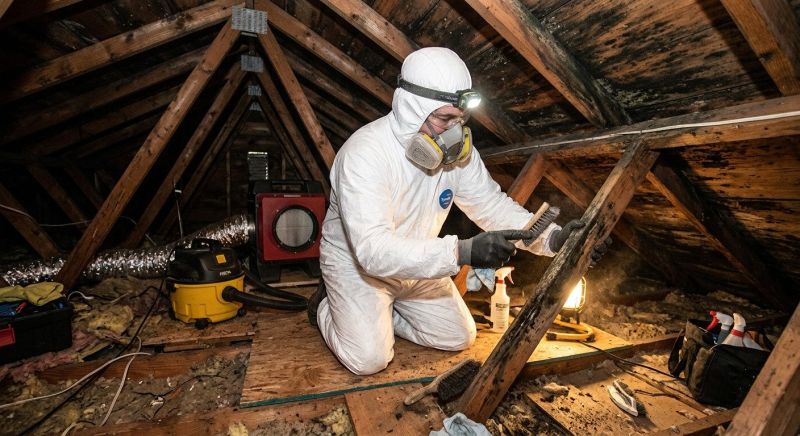
Ceiling mold removal services focus on eliminating mold growth that appears on ceiling surfaces within residential properties. This type of project typically involves identifying the presence of mold caused by excess moisture, humidity, or water leaks, and safely removing it to improve indoor air quality and prevent further damage. Homeowners often request this service when noticing visible mold spots, musty odors, or experiencing allergy-like symptoms, especially in areas with poor ventilation or recent water issues.
Before requesting ceiling mold removal, property owners usually want to understand the extent of the mold growth and whether underlying causes, such as leaks or high humidity, need to be addressed. It's also common to inquire about the safety measures taken during removal and the potential for surface repairs or repainting afterward. Proper assessment and professional removal help ensure the mold is effectively eliminated and the ceiling remains safe and visually appealing.
Many property owners in Dallas, TX look into Ceiling Mold Removal for repairs, replacements, upgrades, and appearance-related improvements.
Signs Of Ceiling Mold
Visible discoloration or musty odors can indicate mold growth on ceilings.
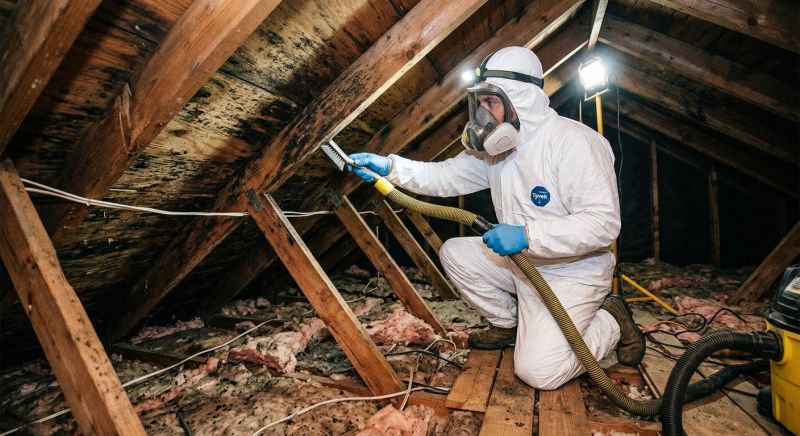
Health And Safety Concerns
Mold spores in ceilings can affect indoor air quality and pose health risks to residents.
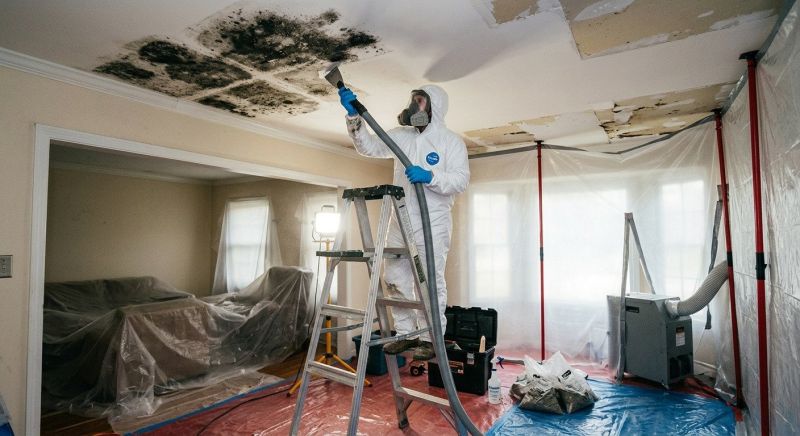
Effective Removal Solutions
Professional ceiling mold removal restores safety and cleanliness in homes and businesses in dallas, tx.
Ceiling Mold Removal in Dallas, TX

Ceiling mold removal services focus on eliminating mold growth that appears on ceiling surfaces within residential properties. This type of project typically involves identifying the presence of mold caused by excess moisture, humidity, or water leaks, and safely removing it to improve indoor air quality and prevent further damage. Homeowners often request this service when noticing visible mold spots, musty odors, or experiencing allergy-like symptoms, especially in areas with poor ventilation or recent water issues.
Before requesting ceiling mold removal, property owners usually want to understand the extent of the mold growth and whether underlying causes, such as leaks or high humidity, need to be addressed. It's also common to inquire about the safety measures taken during removal and the potential for surface repairs or repainting afterward. Proper assessment and professional removal help ensure the mold is effectively eliminated and the ceiling remains safe and visually appealing.
Many property owners in Dallas, TX look into Ceiling Mold Removal for repairs, replacements, upgrades, and appearance-related improvements.
Common Ceiling Mold Removal Jobs
Ceiling mold removal - eliminates visible mold growth on ceiling surfaces caused by moisture.
Mildew and mold cleanup - removes mold spores to improve indoor air quality and prevent health issues.
Water damage restoration - addresses mold growth resulting from leaks or flooding incidents.
Surface cleaning and treatment - applies specialized solutions to inhibit future mold growth on ceilings.
Mold remediation preparation - prepares affected areas for safe and effective mold removal procedures.
Structural mold assessment - identifies underlying issues contributing to mold development on ceiling surfaces.
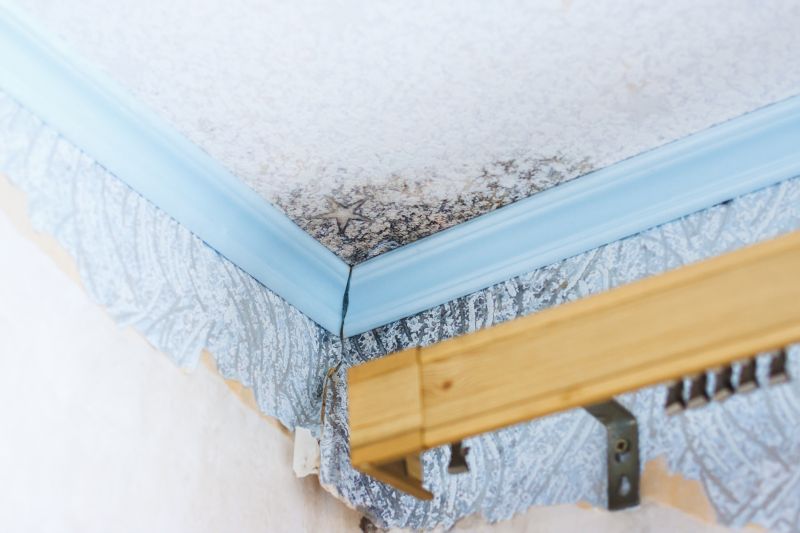
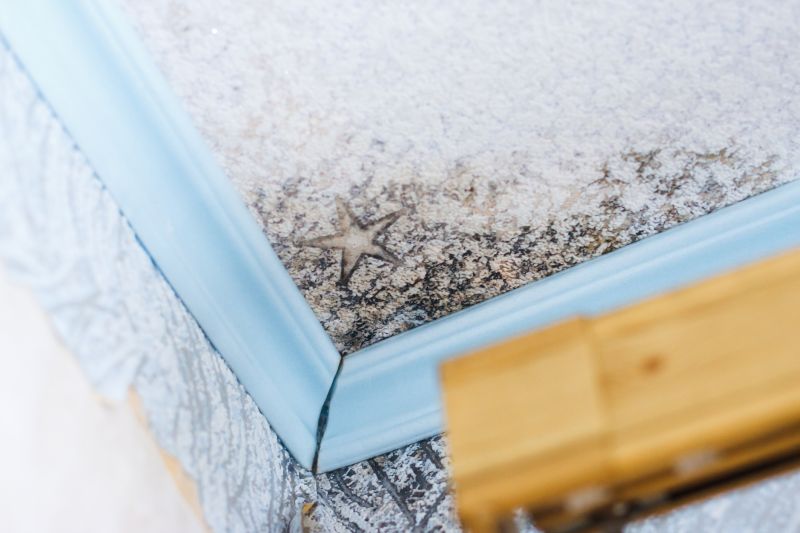
Ceiling Mold Removal Questions
What causes ceiling mold growth? Ceiling mold often results from excess moisture due to leaks, high humidity, or poor ventilation in the space.
How can mold on ceilings be removed? Mold removal involves carefully cleaning the affected area and addressing underlying moisture issues to prevent recurrence.
Is professional removal necessary for ceiling mold? Yes, professional services ensure thorough cleaning and help identify sources of moisture to prevent future growth.
What are common signs of ceiling mold? Visible discoloration, musty odors, and peeling or bubbling paint can indicate the presence of ceiling mold.
Request Ceiling Mold Removal in Dallas, TX
Use the quote form on this page to share the basics of your project and request more information for the type of work you need.