Basement Mold Removal in Essex County, NJ
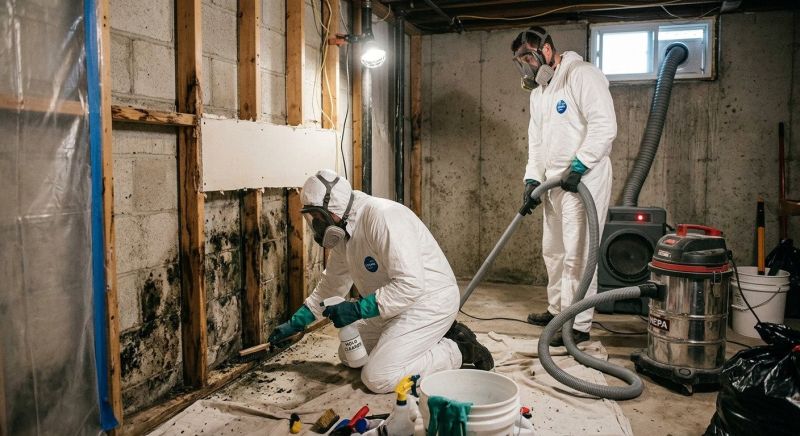
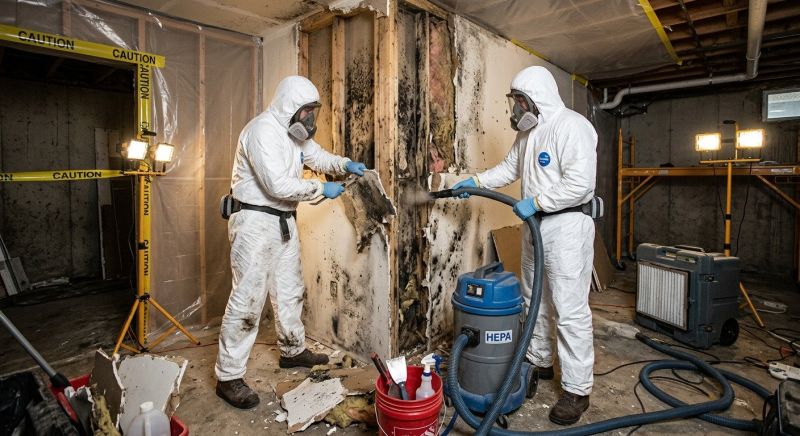
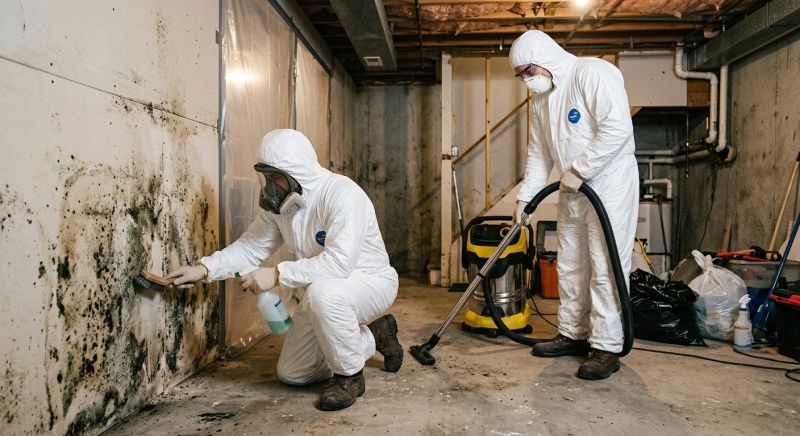
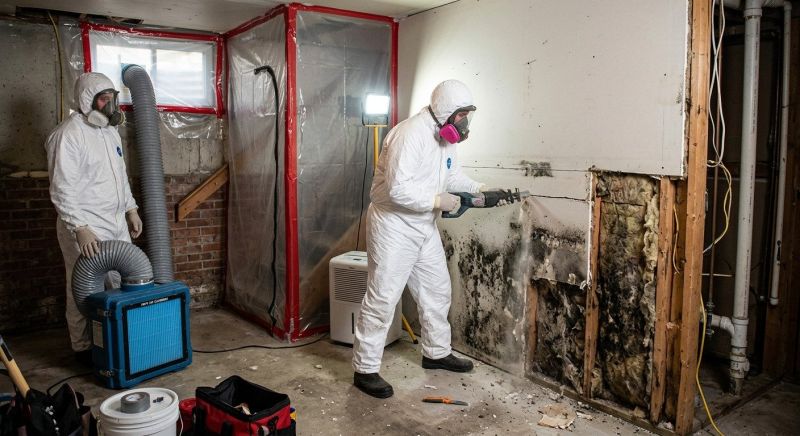
Basement mold removal services address issues related to mold growth in underground or lower-level areas of a property. These projects typically involve identifying and eliminating mold colonies caused by excess moisture, humidity, or water intrusion. Homeowners may request this service when noticing visible mold, musty odors, or health concerns linked to mold exposure. The process often includes thorough inspection, mold containment, removal of affected materials, and measures to prevent future growth, ensuring a healthier indoor environment.
Property owners should understand that successful mold removal requires proper assessment of the extent of contamination and the underlying moisture source. It is important to consider the type of materials affected, the level of mold growth, and any structural concerns before proceeding. Clarifying these details can help determine the scope of work needed and ensure that the project effectively restores the basement’s safety and cleanliness.
Many property owners in Essex County, NJ look into Basement Mold Removal for repairs, replacements, upgrades, and appearance-related improvements.
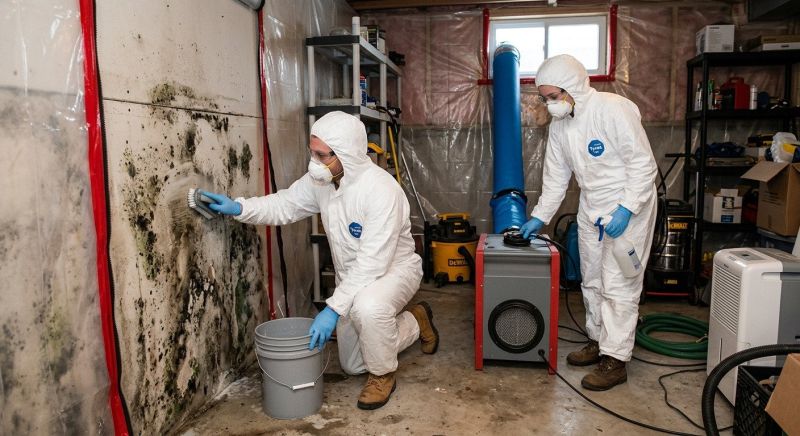
Identifying Basement Mold
Signs of mold growth in basements often include musty odors and visible discoloration.
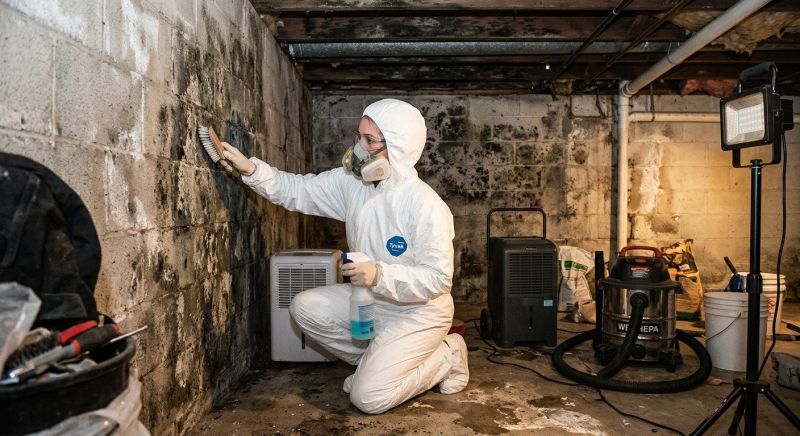
Preventing Mold Recurrence
Controlling humidity and fixing leaks are essential steps to prevent future mold issues in essex county homes.
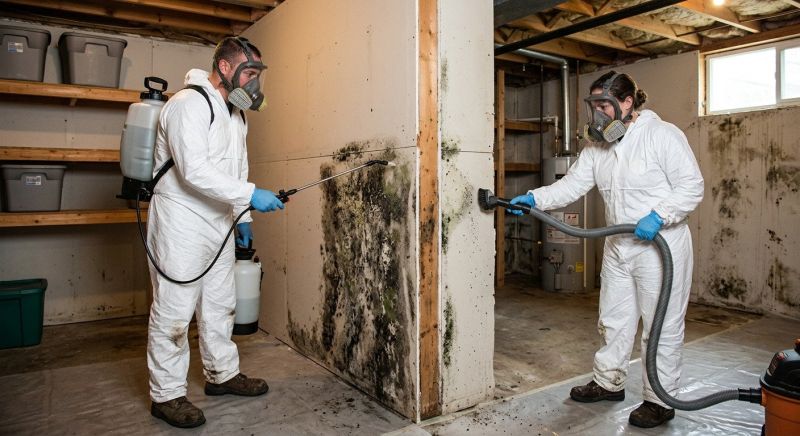
Safe Mold Removal Methods
Professional mold removal involves thorough cleaning and proper containment to ensure indoor air quality.
Basement Mold Removal in Essex County, NJ
Basement mold removal services address issues related to mold growth in underground or lower-level areas of a property. These projects typically involve identifying and eliminating mold colonies caused by excess moisture, humidity, or water intrusion. Homeowners may request this service when noticing visible mold, musty odors, or health concerns linked to mold exposure. The process often includes thorough inspection, mold containment, removal of affected materials, and measures to prevent future growth, ensuring a healthier indoor environment.
Property owners should understand that successful mold removal requires proper assessment of the extent of contamination and the underlying moisture source. It is important to consider the type of materials affected, the level of mold growth, and any structural concerns before proceeding. Clarifying these details can help determine the scope of work needed and ensure that the project effectively restores the basement’s safety and cleanliness.
Many property owners in Essex County, NJ look into Basement Mold Removal for repairs, replacements, upgrades, and appearance-related improvements.
Common Basement Mold Removal Jobs
Basement Mold Removal - professional services to eliminate mold growth in basement areas.
Mold Remediation - comprehensive removal of mold colonies from affected surfaces.
Water Damage Restoration - addressing moisture issues that contribute to mold development.
Mold Prevention - treatments designed to inhibit future mold growth after removal.
Structural Drying - drying and dehumidifying to prevent mold from returning.
Mold Inspection - thorough assessments to identify hidden mold sources inside the basement.
Basement Mold Removal Questions
What causes mold to grow in basements? Mold thrives in damp, humid environments with poor ventilation, often developing due to leaks, condensation, or flooding.
How can I tell if there is mold in my basement? Signs include a musty odor, visible discoloration, or visible mold growth on walls, ceilings, or floors.
Is mold removal safe for my property? Proper removal involves controlled cleaning and moisture management to prevent future growth and protect property health.
What types of mold are commonly found in basements? Common types include Aspergillus, Cladosporium, and Stachybotrys, which can vary in appearance and potential health effects.
Request Basement Mold Removal in Essex County, NJ
Use the quote form on this page to share the basics of your project and request more information for the type of work you need.